

Like a prayer
This is not about god but it might be about something sacred
Before we begin…
If you pray, what form does this take? What role has prayer held in your daily life, at any?
Welcome! You’ve reached Spark. Learn more here or just read on. If you see something you like, please hit that heart so others can find us more easily. And if this email is truncated in your inbox, just click the headline above to come on through and read everything all at once.
Okay, let’s see where this goes
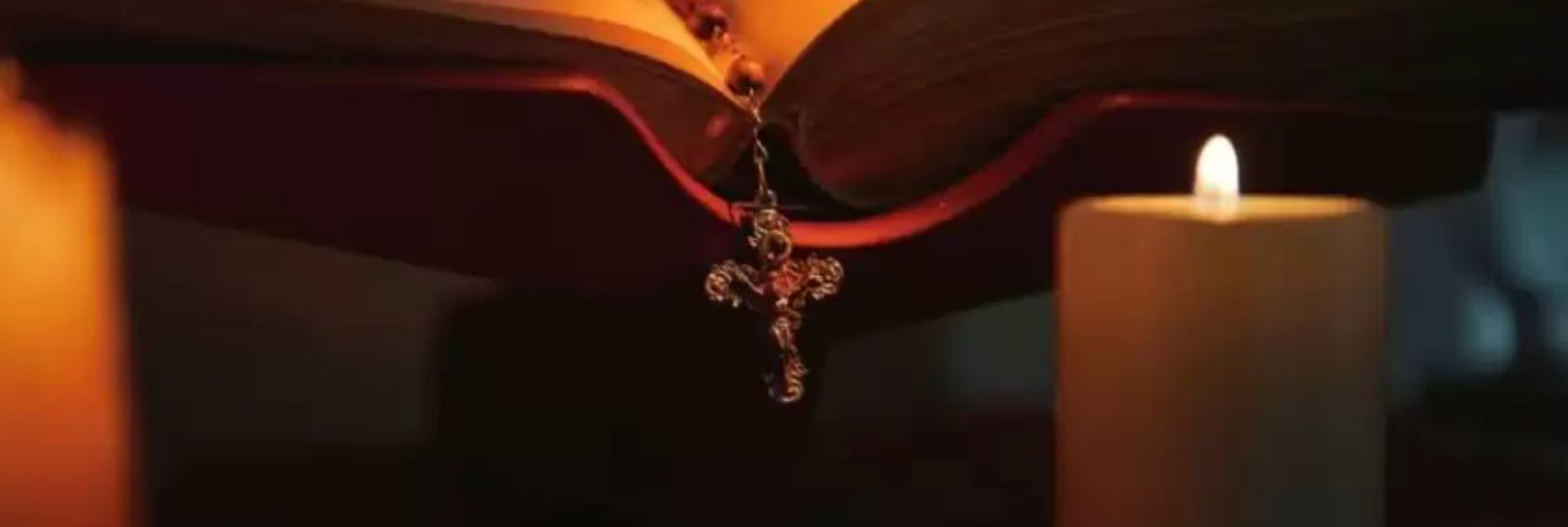
All week I’ve been trying NOT to write about prayer. It’s the kind of subject that can get out of hand. But among the reasons I write, if not the most important one, is to figure something out. About two years ago, I tried to write a bit about searching for and finding grace. I wrote then that I didn’t believe in the god of my Catholic upbringing, or organized religion run by humans, but I would probably never give up on prayer. I didn’t explain what that meant and, to be honest, I still don’t know what it means. At its best, praying feels like holding a hand in the dark, something I’ve needed in the past week full of tragedy, injustice, and chaos. At its worst, it feels like crying out in a sound-proofed basement.
Prayer and me: a brief history
One April, when my son was seven, he’d gotten up to go fishing at a pond nearby a house we were staying in with friends for a weekend. It was dawn. I heard him dress and sneak out. We were a few months into a new home. A new man had entered my life, our lives, and it wasn’t going smoothly. My son needed a win. I lay awake next to the sleeping man and whispered “Please, god let him catch just one. Just one.” All my attention, all my love, went into this request. I visualized my son being happy. I prayed. Ten minutes later I heard him shout. He came running into the house with a smile on his face and a fish in his hand. Even now I am reluctant to draw conclusions about this. But I remember that moment when I prayed and realized that what I was really asking for was a little peace and happiness for both of us when we needed them. Even before the fish latched onto my son’s line, I remember feeling calm descend. I felt heard. I felt a presence that was larger and kinder than any of my fears, pain, anger, and worry. I felt a kind of letting go and trust that have been elusive ever since.
For my mother’s mother, prayer was currency. When you needed something — money, health, that new job, or to find that lost earring — you said a prayer. You didn’t bother “The Lord” directly: There were the saints, a corps of intermediaries with specific jurisdictions who would, if you asked them nicely, intercede for you with “The Lord.” At least this is how I understood it when I was a little girl. Suffering was even more powerful than prayer. Didn’t like lima beans? Choke them down and “offer it up.” Did your best friend get that doll you wanted for Christmas? “Offer it up.” Your knees hurt from kneeling so long in the pews? You get the idea. Prayers were dollars. Suffering was gold. If you prayed enough and suffered enough, sooner or later your prayers would be answered. God didn’t give stuff away for free.
Then there was Evvy. Evvy also dealt in prayer but she didn’t mess around with saints or, frankly, god that much. At sixty-two, she had cancer again and it had spread to her bones. She’d been stuck in a wheelchair thanks to a stroke twenty years earlier. She was obese, had diabetes, high blood pressure, a full-time catheter, recurrent urinary tract infections, and COPD – she smoked so much the inside of her apartment walls were sticky with residue and her two black cats stank of it. But there were things she still wanted: to take a trip north, to the bar at the Glendale Holiday Inn, where she used to spend a lot of time and still had friends. She wanted to see more of her poems in print. She wanted company and help that would take up where the state’s limited home care services left off. I learned all of this later, after she wrote an email to our church’s prayer chain.
I was at my desk when Evvy’s request came in, a few years into my third, failed attempt to reconcile with the church. It would have failed long before if it weren’t for a small group of people who had become friends. We met every week and struggled to understand what it meant to practice our religion in an imperfect world. My friends accommodated my skepticism about heaven, hell, predatory priests, and the idea that there is a direct line from the pope to god. I never argued with the ones who took a black and white view of issues regarding abortion or the role of women in the church. The important thing, we agreed, was to live this life with love. We struggled together because the kind of love that seemed to be called for was hard.
One of those friends, Patty, often said that feeling love was easier than doing it but doing it was more important. She lived this. She interpreted the needs of others as opportunities from god to practice love. When a parishioner needed help in the wake of a mastectomy, Patty organized a team and made assignments. If an elderly person required a ride to a dentist appointment, she found and dispatched a driver from a fleet of volunteers she had vetted. When she left Sunday mass, she always paused in the courtyard to deadhead some geraniums or water some pots. She was the one who launched the parish prayer chain and assigned me, the only one among us with both a degree of computer proficiency and a flexible schedule, responsibility for sharing the requests. The prayers flowed in.
In those prayers, deeply personal pain was compressed to a few lines. Dying child. Terrible diagnoses. A marriage in trouble. No job. No children. No friends. The writers of these requests asked all of us on the chain to help them get the attention of a divine agent for deliverance. Each email pulsed with the need that went unwritten: don’t let me be alone with this.
Even this sort of love, though, was hard for me. Too often I had to fight skepticism or, worse, cynicism. Muttering a prayer at my desk felt like scribbling a check to a charity or handing a dollar to a street person. A flash of fellow feeling was quenched almost immediately by the relief of moving on and the guilt of knowing that it has solved nothing.
I struggled too with the urge to judge — some writers were regulars, they seemed to have a tragedy a week and their prayer requests smacked to me of false humility or attention-seeking. I resented the air of cliquishness when I read greetings like “Fellow Prayer Warriors” as if we were a club, or an exclusive elite force for god. I bristled when prayers ended with elaborate, slavish entreaties like “this I ask in the name of your son, our Lord and Savior Jesus Christ,” as if god needed help identifying his own child. All of this judgment provoked enough shame and guilt to make me mutter an extra Hail Mary or two and then mentally scold myself before I fled back to my work.
Evvy’s request, though, read like a classified ad, straight and to the point. In a few lines she described her situation: she needed someone to help her with meals and errands so she could cope with the exhaustion of the chemo she was about to start. She couldn’t afford to pay. She ended with: “Please pray that I find someone to help me.”
Genius. She had played by the rules of the prayer chain but made it plain that Hail Marys alone wouldn’t cut it. It is as if she’d sent a challenge, not to the “Prayer Warriors,” but to me. I stared at her email for a long time. Eventually, I called her.
My nearly-two years with Evvy held enough material for essays I’m still not ready to write. By the time she’d died in a hospice that she’d fought to stay out of, in a bed that the nurses told her to go ahead and shit in because she was too heavy to lift, I’d done things for Evvy that I’ve since done for others but were new to me then. I did them and then went home filled with a sense of dread or relief but rarely peace or anything like the feeling I had that day when my son caught his birthday fish. I don’t know if I loved her or hated her. Sometimes it was both. She made me laugh, cry, feel. She pushed me until I was ready to snap. She made me use every lesson I’d ever learned in recovery groups about letting go, living and letting live, about accepting what could not be changed and looking harder inside myself for what I could change. She taught me about the precariousness of life, the inevitability of death. I still don’t know what I gave her, not entirely. I don’t know if I was the answer she was hoping for when she prayed. I know that on the day she slipped away, I cried. And to this day, when I pass her old apartment, I think of her. Sometimes I whisper “Hi Evvy.” It feels like a kind of prayer.
Books of poems by Evelyn Garrett can be found here.
A few things that may have led to this post
After scribbling these words, I am probably no closer to understanding prayer or how it works in my life. I stumbled across a few things things week that prompted me to try and figure it out.
A few days ago, I received an email from a prayer chain from a church here in San Diego. I never subscribed to it, I have never been a parishioner there. It’s been years since I’ve attended mass or participated in an organized religious community. I was startled, then annoyed, then I realized it was dredging up all kinds of memories for me about Evvy.
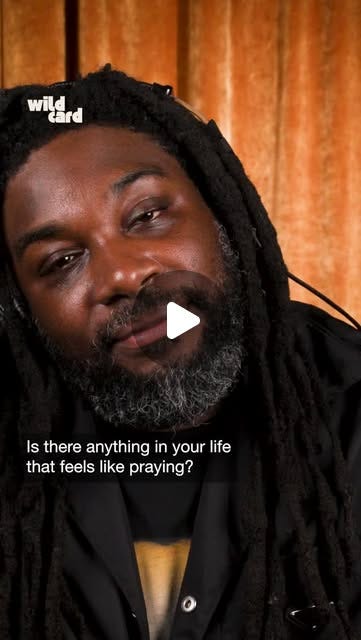
Then there was this compelling excerpt from the Wild Card interview with poet and author Jason Reynolds whose description of prayer resonated deeply with me.
From Leigh Stein , there was this provocative observation on a recent uptick in bible sales, the shift towards influencers who occupy the position once firmly held by churches and their leaders, and the success of the novel Theo of Golden and what all this might suggest about readers’ need to “believe in something.”
Finally, In her Substack, Religion, Reimagined, Liz Bucar has studied the intersection of religion with modern culture for years. I haven’t yet found any post that addresses prayer specifically but I’m intrigued by her take on how many non-religious entities or individuals or trends tap into human craving for many of the things religions offer, or used to offer.
If any of this has got you thinking, please share. Your insights and experience may be what I and others need right now.
If you like what you see or it resonates with you, please take a minute to click the heart ❤️ below - it helps more folks to find us!
Getting organized – or trying to
Over the holiday break, I took a stab at organizing some of the content on Spark to make it easier to find and use. This has had mixed results so far. On the one hand, you’ll find some new sections listed across the top. On the other, you may have noticed duplications of posts after I added interviews from the main posts to the Spark Interviews section so they would all be in one place.
Ditto for our first three The Right Book at the Right Time interviews. I have invited a number of contributors for this new series and am very excited about their response. I will keep these separate from main posts from now on and may send them out separately, between regular issues of the newsletter.
I’ve also started to group posts by certain topic areas (tags) on the home page so visitors can sample posts more readily based on what they might be looking for. These topics are likely to change/alternate from time to time. I will also be adding more to each group as I go through old posts and tag them.
I gave some thought to what Spark is really about these days and made some changes in the About section so you can share it with your friends when they ask you what you’re doing here. If you see anything I missed, tell me!
Welcome New Subscribers!
If you’ve just subscribed, thank you so much for being here. If you would like to check out past issues, here’s a quick link to the archives. Be sure to check out our Resources for Readers and Writers too where you will find links for readers, book clubs, writers, and writing groups. And if you’d like to browse for your next read, don’t forget to check out books by authors in our community at the Spark Author Page. If you are a published author, we’d love to share you and your work. Click here for more info. Another great source: the many wonderful reviews you’ll find among the #Bookstackers.
The more the merrier! Please share with your friends and invite them to join us!
Ways to show you like what’s happening here
We don’t do paywalls but we do work hard so if you’d like to show your support for Spark, consider a paid subscription ($5/month or $35/year) or use this as a link that will allow single contributions of any amount via PayPal.
There will be no paywalls. All subscribers will still have access to every post, archives, comments section, etc. If finances are an issue (and when are they not?), you can show your support for Spark in the most important way there is: by participating in our conversations, “liking” a post by hitting that heart, and by sharing Spark among your friends. All of these things help bring new subscribers into the fold and every time we expand our audience, the conversation grows and deepens. Click below for more info.
Let me know how you are and what you’re reading. If there’s an idea, book, or question you’d like to see in an upcoming issue of Spark, let us know! Use the comment button below or just hit reply to this email and send your message directly.
And remember, If you like what you see or it resonates with you, please take a minute to click the heart ❤️ below - it helps more folks to find us!
Ciao for now!
Gratefully yours,
Betsy
P.S. And now, your moment of Zen…before the dying of the light
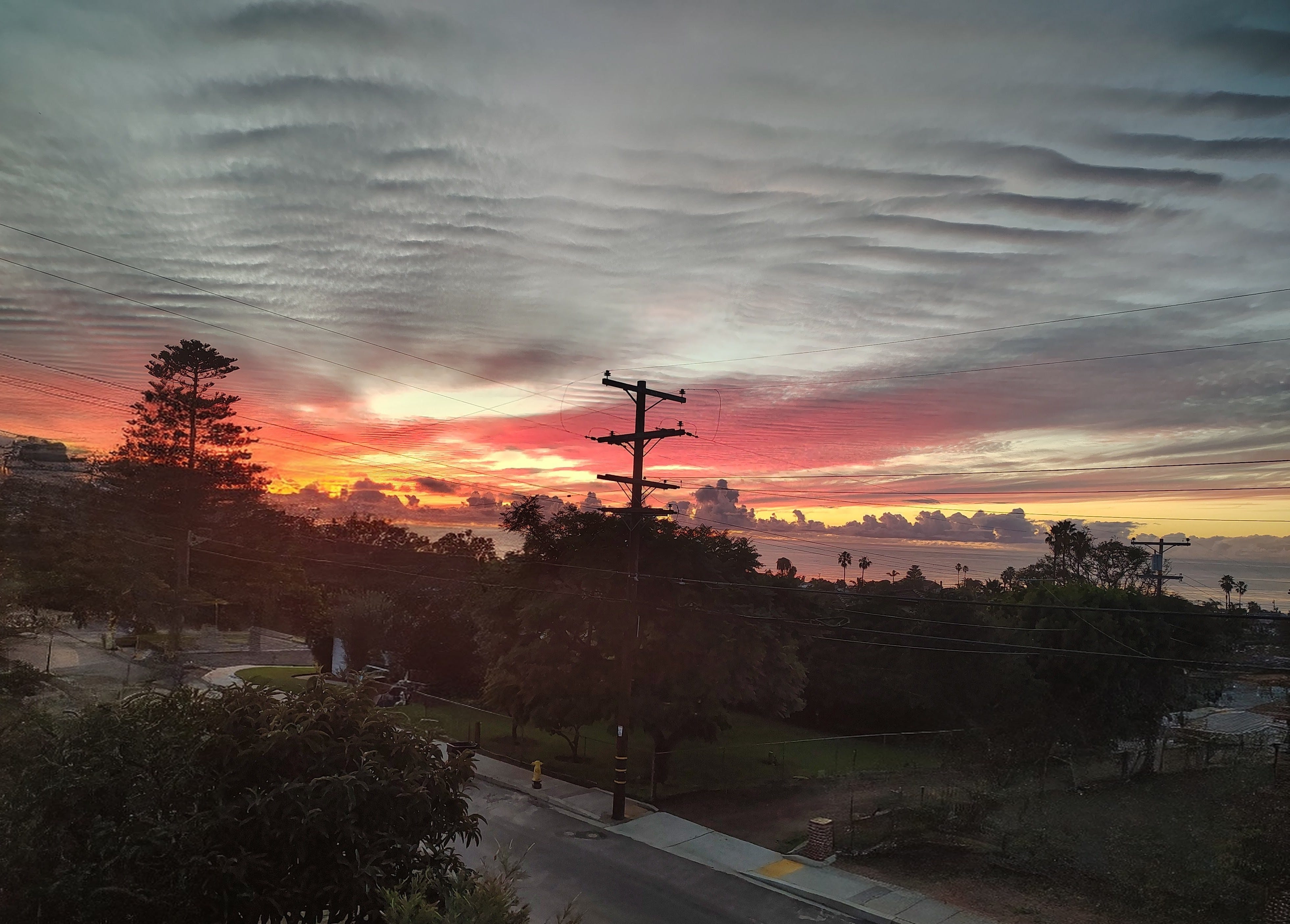
Outside my window this week: a raging sky and a reminder that this world does not belong to us.
Calling for Your Contribution to “Moment of Zen”:
What is YOUR moment of Zen? Send me your photos, a video, a drawing, a song, a poem, or anything with a visual that moved you, thrilled you, calmed you. Or just cracked you up. This feature is wide open for your own personal interpretation.
Come on, go through your photos, your memories or just keep your eyes and ears to the ground and then share. Send your photos/links, etc. to me by replying to this email or simply by sending to: elizabethmarro@substack.com. The main guidelines are probably already obvious: don’t hurt anyone -- don’t send anything that violates the privacy of someone you love or even someone you hate, don’t send anything divisive, or aimed at disparaging others. Our Zen moments are to help us connect, to bond, to learn, to wonder, to share -- to escape the world for a little bit and return refreshed.
I can’t wait to see what you send!
And remember, if you like what you see or it resonates with you, please share Spark with a friend and take a minute to click the heart ❤️ below - it helps more folks to find us!
Well, there IS a direct line to God. But you have to pay for it. Jewish joke: A distraught man wanders into a Catholic Church and says he needs to talk to God. The priest points to a phone booth. "That's a direct line to God, but it will cost you a thousand dollars." The man shrugs: "I don't have that kind of money." He walks a couple of blocks to a nearby Protestant church, where he tells the minister of his need to talk to God, and gets the same response: "Use that phone booth over there. The toll is a thousand dollars." Now desperate, the man enters a synagogue and pleads with the rabbi: "I must talk to God. It's urgent." She, too, guides him to a phone booth. "Just put a quarter in the slot, and God will come on the line." The man is flabbergasted. "But at the Catholic and Protestant churches, they told me it would cost a thousand dollars!" The rabbi replies, "Yes. But from here it's a local call."
I appreciate this piece and you.
My father describes himself as a recovering catholic and I was spared the distressing conflicts of adherence to any religion growing up, even the word prayer is something I cannot claim due to association. While prayer isn’t a word or practice I can fully claim for myself, I recognize what you’re reaching toward and wrestling with here. I also cannot define my own quiet internal hope for safety and wellness for others.
Like you, I attempt to transcribe in tangible, actionable ways to the extent possible. Your reflection on presence, care, and showing up, especially through Evvy, landed deeply.
As always, your writing is beautiful, honest, and quietly powerful.